Bed Bug Control: Effective Bed Bug Treatment Solutions for Homeowners
Comprehensive Bed Bug Control: Proven Strategies for a Pest-Free Home
Thorough bed bug control requires a detailed understanding of these pests and their habits. Recognizing the signs of an infestation is vital for early intervention. Effective strategies encompass both DIY methods and professional treatments. Each approach has its merits and limitations. As homeowners often face challenges in eradicating these resilient insects, exploring proven strategies becomes necessary. What methods have shown the most promise in achieving a pest-free environment?
Understanding Bed Bugs: Life Cycle and Behavior
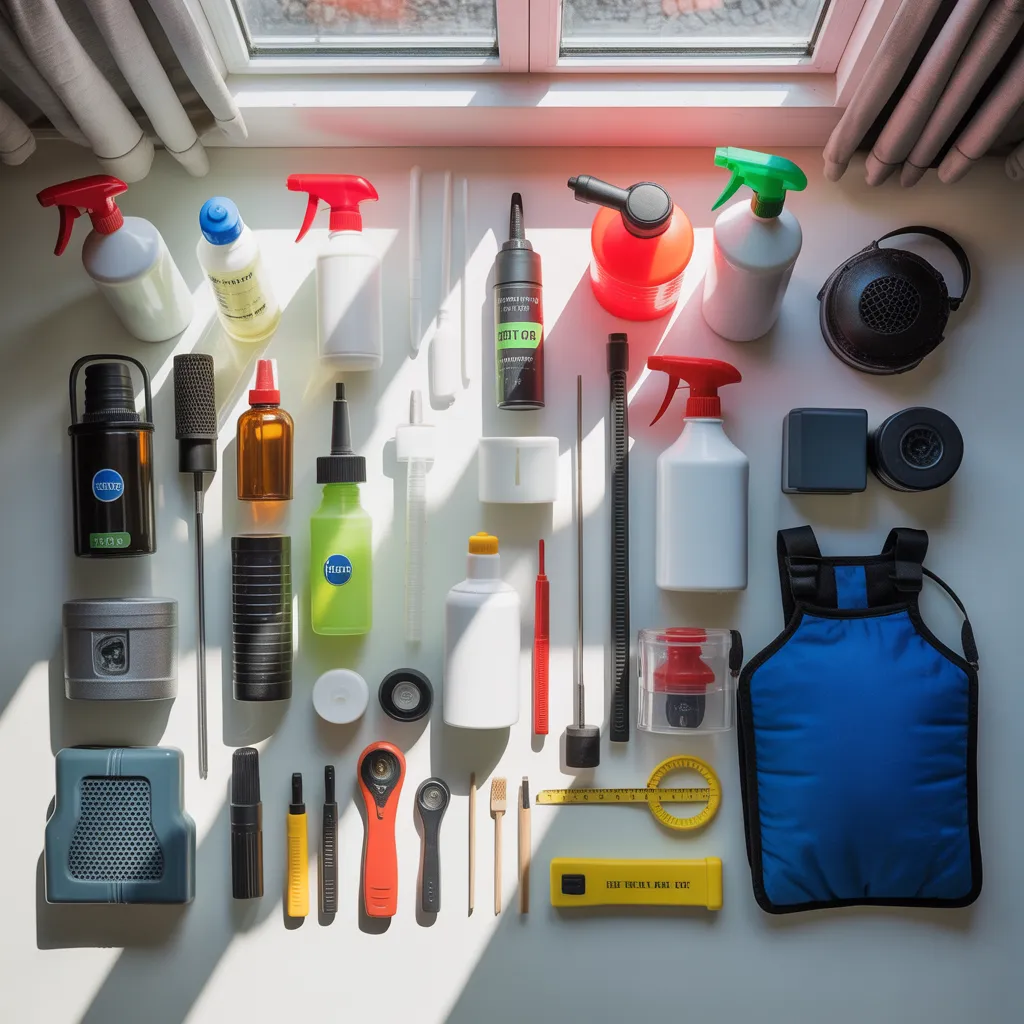
Bed bugs, small yet resilient pests, cause major challenges in both residential and commercial environments. These insects, known scientifically as Cimex lectularius, have a life cycle that includes five nymph stages before reaching adulthood. Each stage needs a blood meal to progress, making them effective at finding hosts. Bed bugs usually prefer to hide in cracks and crevices, emerging mostly at night to feed. Their flattened bodies allow them to conceal themselves in tight spaces, making detection difficult.
Behaviorally, bed bugs are attracted to carbon dioxide and body heat, which direct them toward potential hosts. They can survive for months without feeding, complicating eradication efforts. Their ability to reproduce quickly means that a small infestation can escalate rapidly if not addressed promptly. Understanding these aspects of bed bug behavior is essential for effective control strategies in combating these persistent pests.
Identifying Signs of Bed Bug Infestation
Recognizing an infestation is important, as early detection can keep a minor problem from escalating. Bed bugs are elusive pests, often hiding in crevices and seams of mattresses, furniture, and walls. Common signs of an infestation include small, reddish-brown bugs, typically about the size of an apple seed. Residents may also notice dark spots, which are fecal matter left by the bugs, as well as shed exoskeletons from molting.
Unexplained bites, often appearing in clusters or lines, can suggest bed bug presence. These bites typically occur at night when the insects feed. Additionally, a sweet, musty odor may come from heavily infested areas, caused by the bugs’ pheromones. Regular checks of sleeping areas and furniture can help identify these signs early. Prompt recognition allows for more effective interventions, ultimately protecting the home from a more extensive infestation.
Effective DIY methods for Bed Bug Control
Effective do-it-yourself strategies for bed bug control cover a variety of approaches, including heat treatment techniques, important cleaning practices, and safe chemical solutions. Each method plays an important role in managing infestations and preventing their recurrence. Understanding these strategies can empower people to tackle bed bug problems more effectively.
Heat Treatment Methods
Heat treatment stands out as a highly effective method for combating bed bugs, harnessing high temperatures to eliminate these pests at all life stages. This approach typically involves increasing the temperature of infested areas to at least 118°F (48°C) for a continuous period. Homeowners can apply specialized heaters or steamers to treat specific areas like mattresses, furniture, and baseboards. It’s essential to monitor temperatures carefully, ensuring they remain high enough to be effective but not injurious to household items. Furthermore, heat treatment can be combined with other methods, such as sealing cracks and crevices, to strengthen overall effectiveness. This approach offers an eco-friendly solution, avoiding the use of chemical insecticides while providing a thorough extermination of bed bugs.
Essential Cleaning Practices
Implementing essential cleaning practices is crucial for controlling bed bug infestations. Regular vacuuming of carpets, rugs, and upholstery helps to remove both bed bugs and their eggs. It is important to dispose of the vacuum bag immediately to prevent any possibility of re-infestation. Washing bedding, linens, and clothing in hot water, followed by high-heat drying, effectively eliminates these pests. Additionally, decluttering the home reduces hiding spots, making it easier to spot and treat any remaining bugs. Furniture should be thoroughly inspected and cleaned, especially in crevices and seams. Utilizing a steam cleaner on affected areas can further aid in eradication. By maintaining diligent cleaning routines, homeowners can greatly reduce the likelihood of a bed bug resurgence.
Safe Chemical Solutions
After maintaining a thorough cleaning routine, homeowners may seek additional measures to combat bed bugs. Safe chemical solutions can be effective in this battle. One popular approach involves using diatomaceous earth, a natural product that dehydrates and kills bed bugs upon contact. Homeowners can apply it in areas where bed bugs are likely to hide, such as cracks and crevices.
An alternative is essential oils, like tea tree or lavender oil, which have insecticidal properties. These oils can be diluted with water and sprayed in infested areas. Additionally, commercial insecticides labeled for bed bug use may be considered, but it is vital to follow all safety instructions. Combining these methods with proper cleaning can enhance effectiveness, leading to a pest-free environment.
How Well-Working Are DIY Tactics?
DIY tactics for bed bug control are often viewed as a cost-effective solution for homeowners facing infestations. Many individuals turn to common methods such as vacuuming, steam cleaning, and using essential oils. However, the effectiveness of these approaches can be limited. Bed bugs are notorious for their resilience, often hiding in tiny crevices and reproducing rapidly.
While vacuuming can remove visible bugs and eggs, it may not eliminate them entirely. Steam cleaning can kill bed bugs on contact but requires careful application to penetrate deep into infested areas. Essential oils might offer temporary relief, but their efficacy is often overstated and lacks scientific backing.
In many cases, DIY methods may provide only a brief fix, potentially leading to a more substantial infestation if not addressed properly.Homeowners should consider the risks and benefits when considering these strategies and stay vigilant for signs of recurring pests.
Professional Bed Bug Treatments: What to Expect
While DIY methods may offer some immediate relief, they often fall short of providing a complete solution to bed bug infestations. Professional treatments, on the other hand, are designed to eradicate bed bugs effectively. Homeowners can expect a detailed assessment of go to article their property, during which trained technicians identify the extent of the infestation and the species involved.
The treatment procedure typically includes a combination of chemical and non-chemical methods, such as heat treatments, insecticides, and vacuuming. After the initial treatment, follow-up visits are often necessary to guarantee that all bed bugs and their eggs have been eliminated.
Professionals will also provide guidance on preparing the home for treatment, which may involve removing clutter and washing linens.By relying on expert services, homeowners can achieve lasting results and regain peace of mind, knowing that the infestation has been thoroughly addressed.
Top Strategies to Prevent Bed Bug Infestations
Preventing bed bug infestations requires a proactive approach, and there are several effective strategies that homeowners can implement. First, regular inspections of sleeping areas, particularly around mattresses and box springs, can help identify early signs of bed bugs. Homeowners should also encase mattresses and pillows in protective covers to prevent access.
Additionally, reducing clutter in living spaces limits hiding spots for these pests. When traveling, it is advisable to check hotel rooms for signs of bed bugs and to keep luggage elevated and away from beds.
Furthermore, washing and drying bedding and clothing on high heat regularly can eliminate any hidden eggs or bugs. Finally, educating family members about bed bug identification and prevention can enhance overall vigilance. By adopting these strategies, homeowners can greatly reduce the risk of a bed bug infestation in their homes.
Debunking Common Myths About Bed Bugs
What misconceptions surround bed bugs that hinder effective control? One prevalent myth is that bed bugs only infest dirty homes. In reality, these pests can thrive in any environment, regardless of cleanliness. Another misconception is that bed bugs transmit diseases. While their bites can cause discomfort and allergic reactions, they are not known to spread diseases to humans. Some believe that extreme temperatures, such as freezing or high heat, are always sufficient for extermination; however, proper treatment protocols must be followed to guarantee complete elimination. Additionally, many assume that using essential oils is an effective solution. While some may deter bed bugs, they are not a reliable method for eradication. Finally, the idea that bed bugs are only found in beds is misleading; they can hide in various locations, including furniture, luggage, and even electrical outlets. Understanding these myths is vital for implementing effective control strategies.
Frequently Asked Questions
How Long Can Bed Bugs Last Without a Host?
Bed bugs can survive without a host for several months, typically ranging from two to six months.Their durability allows them to endure prolonged periods without feeding, posing difficulties for eradication efforts.
Can Bed Bugs Go Between Apartments?
Yes, bed bugs can travel between apartments. They often move through wall voids, electrical outlets, and shared plumbing. This ability to disperse makes it essential for residents to address infestations promptly to prevent widespread issues.
Can Bed Bugs Carry Illnesses Harmful to Humans?
Bed bugs do not transmit diseases harmful to humans.
Are bed bugs more active at night Time?
Yes, bed bugs are more active at night. They typically feed during the dark hours when their hosts are asleep, making nighttime the peak period for their feeding and movement, thereby increasing their visibility to humans.
Can Pets Get Infested With Bed Bugs?
Pets can become infested with bed bugs, but they are not the main hosts. Bed bugs prefer humans when feeding. However, pets can carry bed bugs on their fur, leading to possible infestations in homes.